Understanding Vehicle Fuel Choices in Liverpool
The landscape of automotive fuel has shifted dramatically. What once seemed straightforward has become a maze of options, each with distinct implications for your vehicle, wallet, and the environment.

Liverpool drivers face a unique set of considerations when selecting fuel for their vehicles. The city's maritime climate, urban congestion patterns, and proximity to major motorways create specific demands on engine performance and fuel consumption.
Traditional petrol and diesel remain dominant, yet their role is increasingly questioned. Alternative fuels have moved from experimental curiosities to viable options for daily driving. Understanding these choices requires looking beyond pump prices to consider long-term costs, vehicle compatibility, and environmental impact.
The Fuel Spectrum Available Today

Petrol engines have evolved considerably. Modern formulations include additives designed to reduce engine deposits and improve combustion efficiency. Premium grades offer higher octane ratings, which some engines require for optimal performance, though many vehicles see no benefit from the extra cost.
Diesel fuel efficiency remains compelling for high-mileage drivers, particularly those covering motorway distances. The torque characteristics suit larger vehicles and those towing loads. However, urban diesel engines face challenges with particulate filters, which require regular high-speed runs to regenerate properly.
Liquefied petroleum gas represents an established alternative. Conversion systems have matured to the point where reliability matches conventional fuels. The running cost advantage is significant, though filling station availability in Liverpool requires some planning.
Economy Beyond the Pump Price
Fuel economy calculations extend beyond the cost per litre. Vehicle weight, aerodynamics, and driving patterns create substantial variation in actual consumption. A vehicle rated at fifty miles per gallon in laboratory conditions may achieve thirty-five in urban Liverpool traffic.
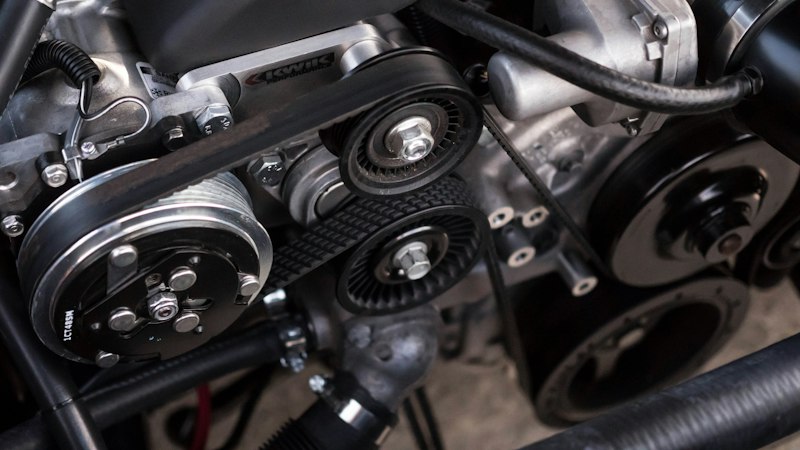
Tire pressure alone can alter consumption by five to ten percent. Under-inflated tires increase rolling resistance, forcing the engine to work harder. Regular maintenance keeps injectors clean and sensors accurate, preventing the gradual efficiency degradation that many drivers fail to notice.
Driving technique matters more than most realize. Aggressive acceleration and heavy braking waste energy that smooth, anticipatory driving preserves. Learning to read traffic flow and maintaining steady speeds can improve economy by fifteen percent without sacrificing journey time.
Alternative Fuels Coming of Age
Electric vehicles have progressed beyond early limitations. Battery range now exceeds three hundred miles for many models, adequate for all but the longest journeys. Liverpool's charging infrastructure continues expanding, with rapid chargers increasingly common in car parks and service areas.
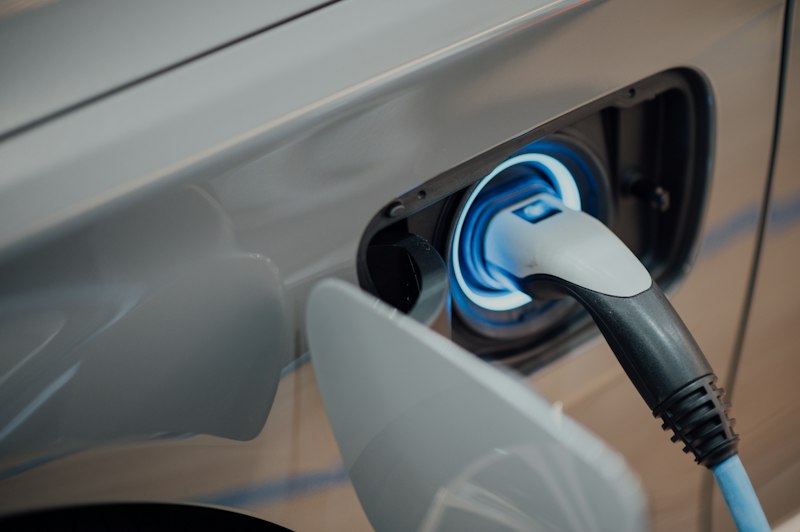
Home charging transforms the refueling experience. Rather than visiting stations, vehicles charge overnight using off-peak electricity rates. The cost per mile drops to a fraction of petrol or diesel, though initial purchase prices remain higher.
Hybrid systems bridge the gap between conventional and electric powertrains. Regenerative braking recovers energy usually lost as heat, while the electric motor assists during acceleration. City driving sees the greatest benefit, as frequent stops and starts provide opportunities for energy recovery.
Hydrogen fuel cells represent another path forward. Refueling takes minutes, similar to conventional vehicles, and range matches petrol cars. Infrastructure remains limited, though Liverpool has seen pilot installations that may indicate future expansion.
Making Informed Fuel Decisions
Vehicle choice and fuel selection interconnect in complex ways. A diesel engine makes sense for motorway commuters but creates problems for short urban journeys. Electric vehicles excel in city driving but require planning for longer trips.

Fleet operators face additional considerations. Mixed usage patterns may require diverse fuel types within a single fleet. Total cost of ownership calculations must account for maintenance variations, residual values, and fuel price fluctuations over the vehicle's service life.
Our consultation services help drivers and fleet managers navigate these decisions. We analyze actual usage patterns, local fuel availability, and long-term cost projections to identify the most economical and practical solutions.
Professional Fuel Advisory Services
Fuel Efficiency Consultation
Detailed analysis of your current fuel consumption patterns with actionable recommendations.
£147.50
Fleet Fuel Analysis
Comprehensive fleet assessment identifying optimization opportunities across multiple vehicles.
£425.00
Vehicle Conversion Advisory
Expert guidance on alternative fuel conversions including feasibility and cost analysis.
£215.00
The Path Forward
Fuel technology continues evolving. What works optimally today may be superseded within a few years. Staying informed about developments helps avoid premature commitments to technologies that may not suit long-term needs.

Liverpool drivers have access to diverse fuel options, each with specific advantages. Making the right choice requires understanding both the technical characteristics and the practical implications for daily use. Our services provide the analysis needed to make these decisions with confidence.
Request a Fuel Consultation
Select a service and provide your details to begin improving your fuel efficiency.